The suspension upgrades blend the spirit of classic vehicles with the latest stance & handling advancements…
John Carollo - March 30, 2026
This article originally appeared in the April 2026 issue of THE SHOP magazine.
There was a time when some classic car “purists” railed against adding modern technology to older vehicles. Most likely it only took one ride in a well-done Pro-Touring/restomod ride, however, to quickly change their minds.
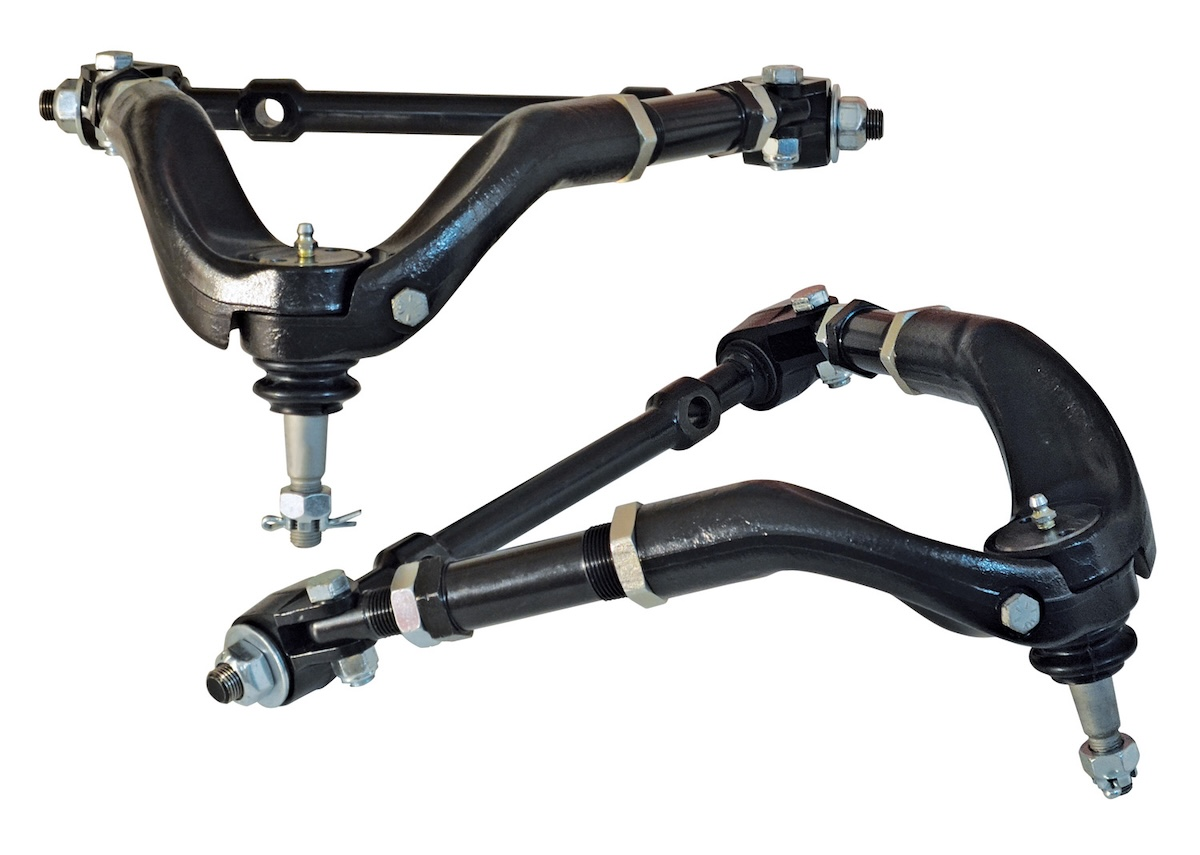
The blending of original muscle car mystique with the advantages of today’s top aftermarket products reenergized and redesigned the street and track-day scenes. Nowhere is that more evident than in the latest street suspensions, which offer performance, safety and aesthetic improvements to older cars and trucks that still have a lot to give.
Shops enjoy the demands for professional recommendations and expert installations that drive the street suspension market, with enthusiasts seeking performance gains and style enhancements. For an insider’s edge, product suppliers are happy to steer the conversation market direction, sales strategies and the recent product updates.
REENERGIZING THE CLASSICS
For many Pro-Touring and restomod fans, the best thing about today’s comprehensive street suspension systems is that they blend the pioneering spirit of classic vehicles with the latest technological advancements.
“The car culture is and has been a growing phenomenon for some time and has crossed into popular culture in a number of areas, from music videos and TV commercials to a featured presence in last year’s Super Bowl halftime show,” says Scott Adcock, creative services manager at Specialty Products Company (SPC). “Nearly all builds can benefit from suspension upgrades, but vintage and classic cars are certainly the big winners when it comes to the modern caster and camber features available today. Making a vintage car handle more like a modern car not only makes it more enjoyable to drive, it’s also safer as well.”
As more enthusiasts see the benefits of improving the stability and performance of their classic rides, manufacturers and shops will continue to benefit.
“Most of these vintage cars were originally designed to work with bias-ply tires and, with all the upgrades being done to other parts of the vehicle, it only makes sense to have a car that drives as well as it looks while taking advantage of today’s modern tire technology,” Adcock adds.
A sweeter, more responsive ride for these vehicles also means more road and track time, says Jason Wilcox, part of the marketing department at Total Cost Involved Engineering.
“Customers are getting out and actually driving their classic and modern vehicles more and more every year,” he observes. “The days of sitting around in a parking lot at a show have given way to cruises and road tours. This is a pathway that leads to upgrades that provide a more enjoyable, fun and even safer driving experience.”
And when performance enthusiasts are looking to add horsepower gains, a capable suspension and chassis shouldn’t be far behind.
“Having a good, balanced handling machine can provide the customer with that extra peace of mind when pushing the limits on those mountain roads or wide-open stretches of highway. A properly designed and tested suspension package can offer both comfort and performance.”
MORE TO LEARN
While street suspension projects are becoming more common, a firm understanding of exactly how they work can be more elusive for many performance drivers.
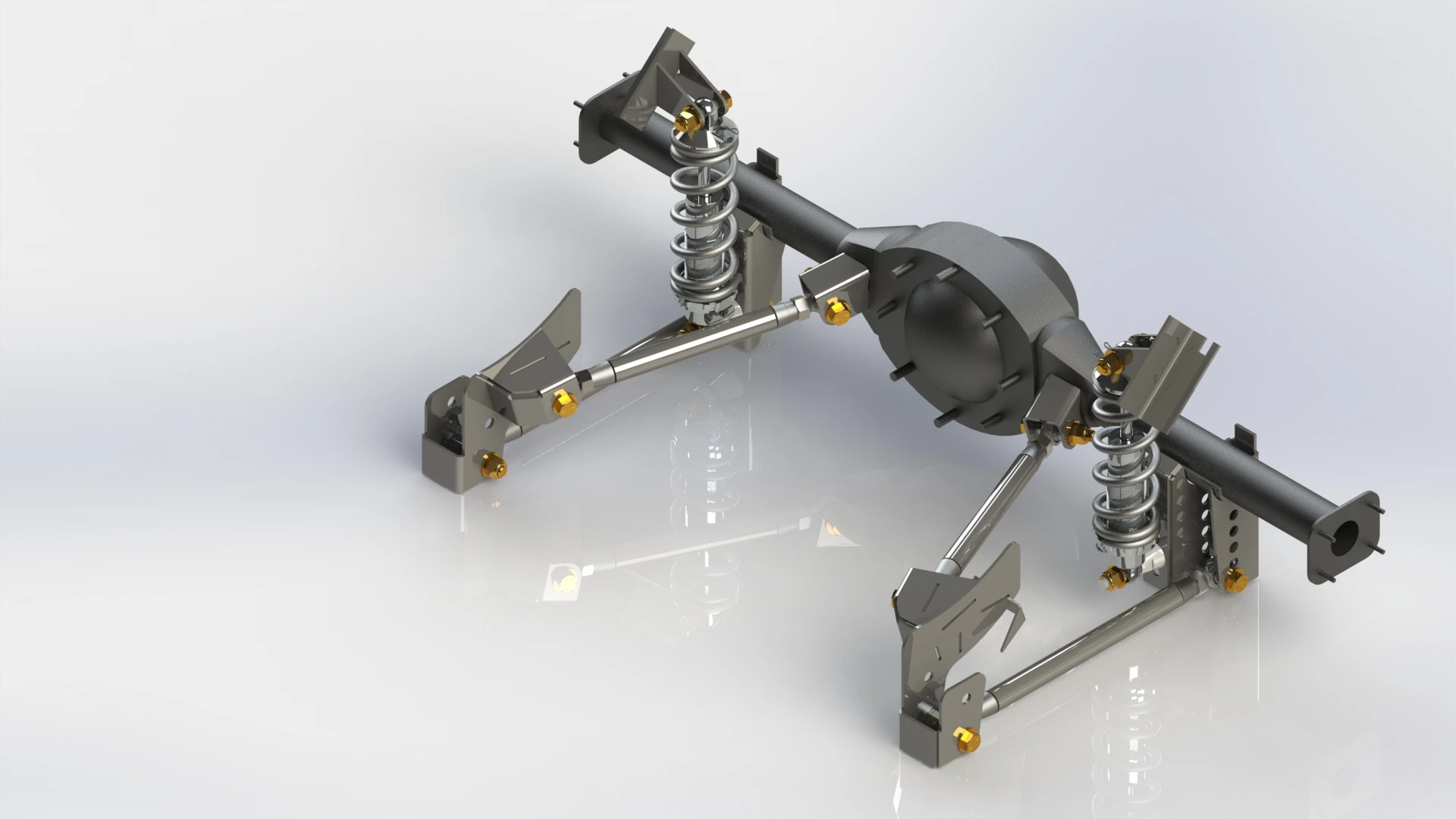
Many drivers don’t know what they don’t know, making professional guidance a must. (Photo courtesy Control Freak Suspensions)
“What a customer doesn’t know can hurt them. All too often, the customer may not even be aware that major improvements can be made to their vehicle’s handling and ride comfort at the same time,” says Wilcox. “Even well-engineered systems that are improperly sprung for the given weight can take all the fun out of driving. What we see all too often is that vehicles are over-sprung for the given setup. This idea that any body roll is a bad thing is not necessarily true. Stiffening up the suspension may be visually pleasing to onlookers, but, as the driver, it can make the vehicle twitchy and hard to control. We test our vehicles at a high level and find that softer, more compliant setups work great on track and also ride comfortably on the street. You can have your cake and eat it too when it comes to performance and comfort in one package.”
Knowledge can also be incomplete, says Burnett.
“In this era of the internet and AI recommendations, customers are certainly more informed than they used to be. But that doesn’t mean they have considered all the angles when it comes to their upcoming suspension, especially if they’re lacking in the experience column,” he states. “It is more important than ever (for) professional shops to guide the conversation and cut through the nonsense when it comes to what a customer saw on Instagram or YouTube and thinks will best serve their needs.”
Shops should be the subject matter experts when it comes to these conversations, he continues.
“Brushing up on some consultative sales skills will certainly aid in helping identify the best way to deliver on a customer’s dream,” says Burnett. “Start with asking the question, ‘What do you intend to do with the vehicle?’ and take it from there.”
Adcock offers examples of the pros and cons of limited suspension knowledge that shops may have to combat:
- CON: No matter what parts are hung on an old muscle car, it will never handle just like a newer performance car.
- PRO: Adjustment is far easier than shimming.
- PRO: Adjustments not possible with OE parts can be achieved with aftermarket setups, such as positive caster for older cars that were designed for low/negative caster due to bias-ply tires and lack of power steering.
- CON: People can get too crazy with the amount of negative camber possible and can load up the small, outside wheel bearing too much.
- CON: Droop travel stop is often an issue, causing bent upper arms.
- PRO: Taller ball joints allow for improved suspension/steering geometry.
- PRO: Setups are readily adaptable for transplanted front “clips” that may not be located quite right and have caster issues.
- PRO & CON: The complete suspension and steering package must be designed to work correctly together
THAT TRACKS
As with most aftermarket projects, successful street suspension upgrades start with a real conversation about intended vehicle use and customer expectations.
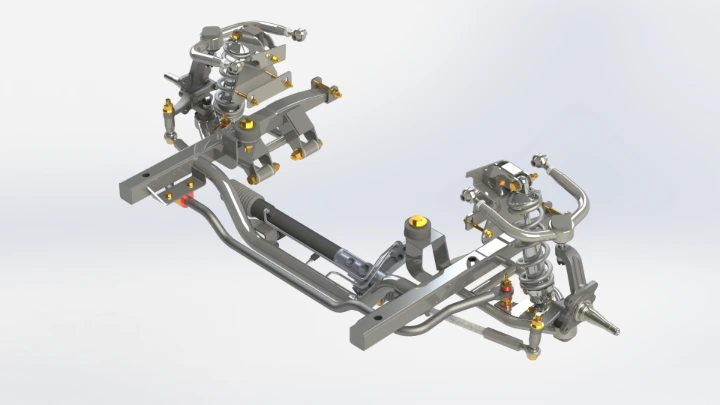
“Many customers truly don’t know what they don’t know and must rely on your guidance and advice to arrive at the ideal solution,” says Burnett from Ridetech. “That means getting familiar with what current trends are at play in the street performance market. The other key area to focus on is quality products. While you may end up paying a bit more out of pocket initially, often that makes all the difference between the customer who is able to drive their vehicle with a smile on their face and the guy who ends up having to buy twice.”
He notes that not all suspension systems are created equal for all purposes.
“It’s also important to consider the connections a customer will make when it comes to the less-than-ideal part you may be considering carrying,” Burnett adds. “Someone once pointed out that a rising tide lifts all boats, and that is certainly true when it comes to high-quality suspension manufacturers and qualified professional shops and installers.”
Becoming the local go-to street suspension shop requires building product knowledge and experience.
“Many shops are not aware that an adjustable upper control is available. There are many aftermarket tubular arms available, but none offer the amount of adjustability that the SPC offerings provide,” says Adcock. “Excellent selling points are that the arms can be adjusted while on the car, without removal and without using shims, and the clearance gained from the original shim configuration is a plus with vehicles that require additional header clearances.”
Finally, Wilcox from Total Cost Involved Engineering recommends getting to know potential street suspension customers through track visits, car club connections and anywhere else enthusiast gather and compare notes.
“Working directly in person with your customers gives you a chance to provide that extra level of service and sales,” he explains. “Get out to events, cruises, road tours and even shows to have those face-to-face interactions. It’s the best way to gain a customer—by showing them how the parts work in the real world. Being able to put a customer in the passenger seat of a vehicle is the best way to show them what the possibilities are. It’s a direct comparison to what they have now and, more often than not, it’s an eye-opening experience.”
STREET SUSPENSION PRODUCTS
HOT PRODUCT: RQ-S Steel Body Adjustable Shock Program
FEATURES & BENEFITS: Offered for a wide variety of vehicle applications; add adjustability and improved shock valving, internals and design; available as a shock option on StreetGRIP suspension systems, combining RQ-S 1.5-inch Fox Factory shocks with the Ridetech catalog.
Ridetech
Blane Burnett
Marketing Manager
HOT PRODUCTS: Adjustable Upper Control Arms for Muscle Cars
FEATURES & BENEFITS: Popular applications include GM A-body, F-body and G-body models; tubular lower control arms offered to complement the installation of the uppers; unique ability to adjust the camber and caster settings without the old shims or arm removal.
Specialty Products Company (SPC)
Scott Adcock
Creative Services Manager
HOT PRODUCTS: Pro-Touring Line of Engineered Suspension Systems
FEATURES & BENEFITS: Popular applications include trucks, muscle cars and even street rods; engineered and heavily tested for street and track performance; provide modern sports car handling capabilities in a classic vehicle package; balance front/rear weight bias.
Total Cost Involved Engineering
Jason Wilcox
Marketing